Cryo-S ® Painless
Overview
Cryoanalgesia reduces reliance on strong analgesic medications, including opioids, during the postoperative and recovery period. It has a proven beneficial effect in reducing opioid dosage or completely eliminating the need for opioids in postoperative patients.
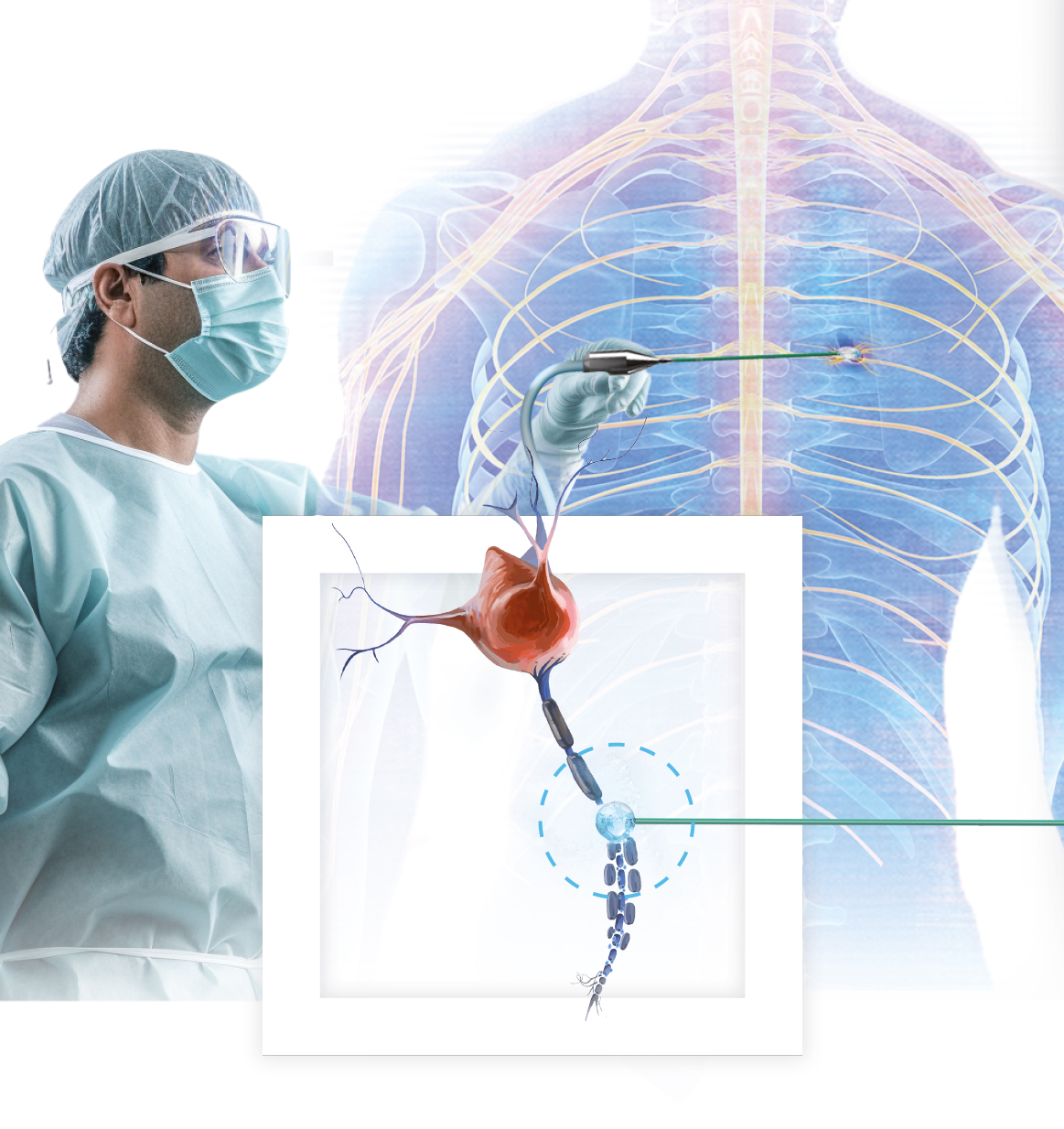
Mechanism of Action of Cryoanalgesia
During frosting and defrosting:
Significant endoneurial edema occurs during the freezing and thawing of the intercostal nerves.
Increased interstitial fluid pressure and Wallerian degeneration develop in the axon of the intercostal nerve, while the myelin sheath remains intact.
After frosting and defrosting:
The basal lamina of Schwann cells remains intact, facilitating regeneration of the intercostal nerves.
When the endoneurium of the intercostal nerve remains intact, neuroma formation does not occur, and the nerve is capable of regenerating at a rate of approximately 1–1.5 mm per week.
The intercostal nerve fully recovers; however, pain sensation remains blocked for several months.
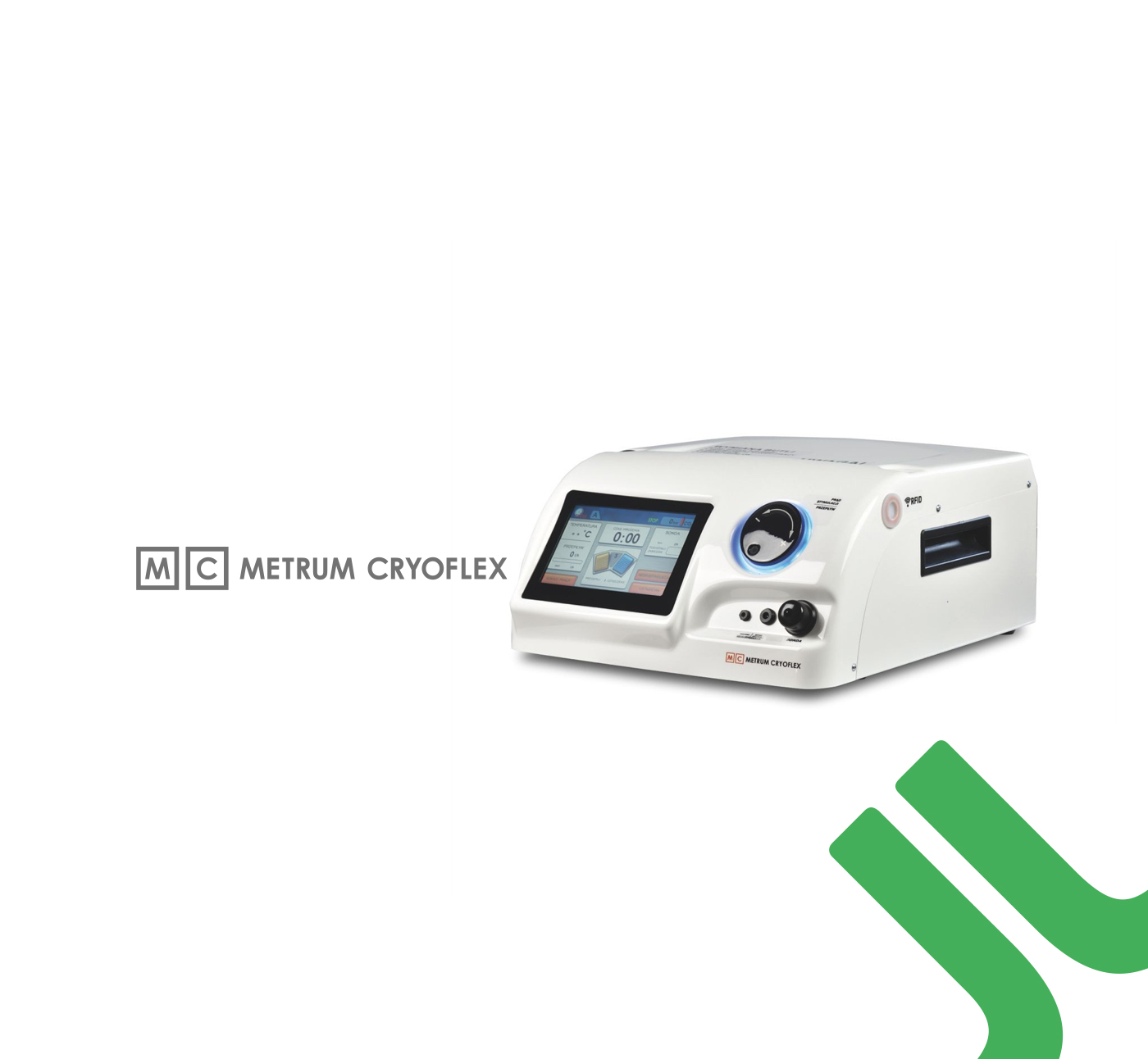
CRYO-S® Painless Cryoanalgesia Device
Chip System Communication (RFID)
Electronic communication between the probe and the device enables automatic identification of optimal operating parameters and self-configuration for optimal cryoanalgesia performance.
No manual adjustment of the freezing process is required during probe preparation or throughout the procedure. Once freezing is completed, the probe defrosts within a few seconds.
Voice Communication
The built-in voice communication system allows easier device control.
A dedicated system that reports essential data (procedure time, device status) during the procedure enables full control without taking your eyes off the treatment area.
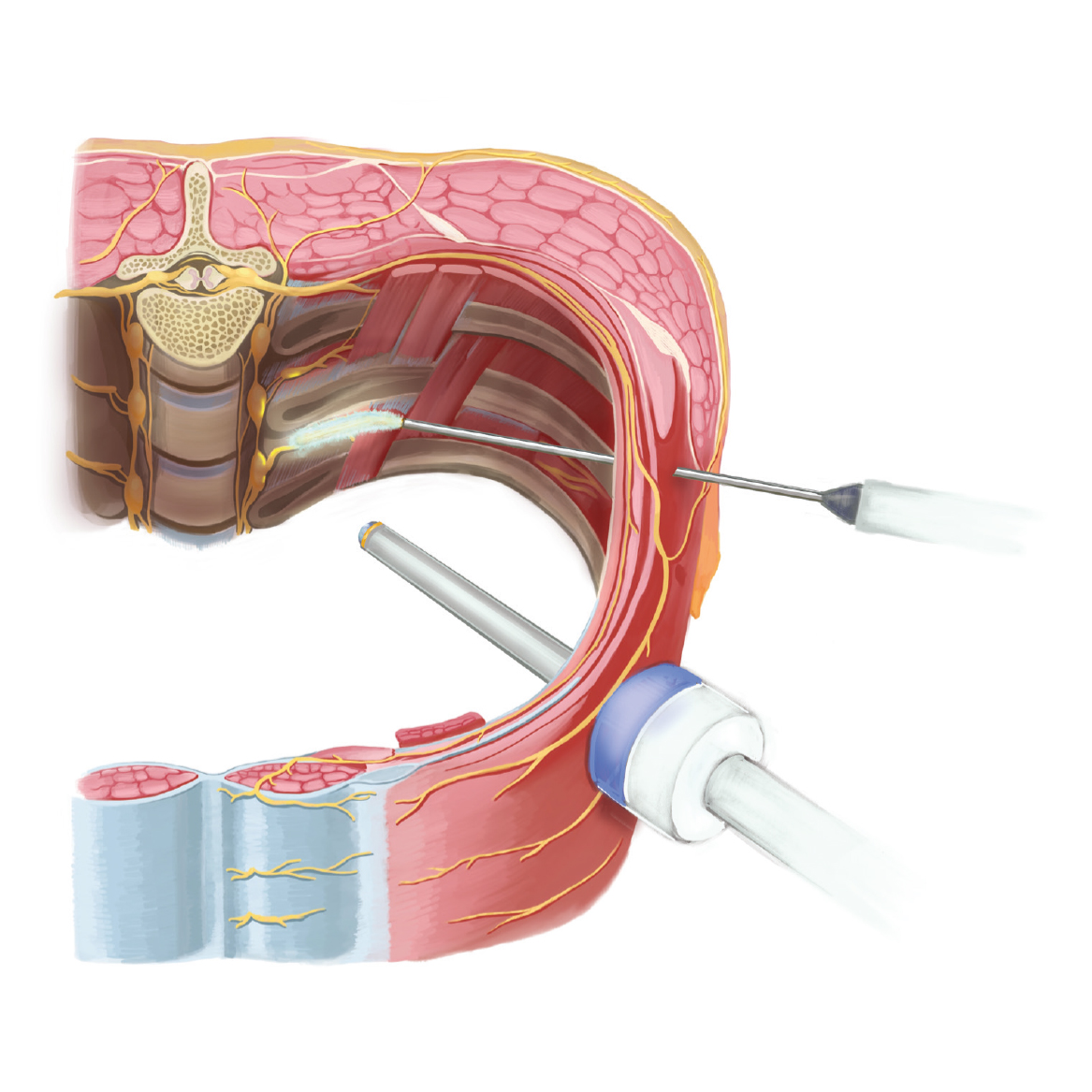
Example of a Cryoanalgesia Procedure
Freezing target for thoracotomies:
Two intercostal nerves above the thoracotomy level, two intercostal nerves below, and one intercostal nerve at the thoracotomy level are targeted.
Freezing area:
Recommended between the 4th and 9th intercostal spaces.
The procedure can be performed unilaterally (thoracotomies, thoracoscopies).
Freezing time:
120 seconds per intercostal nerve.
Total cryoanalgesia time during surgery:
Approximately 12 minutes.
Position of the probe freezing tip:
Minimum 4 cm from the axis of the vertebral column.
2 cm from the sympathetic ganglion of the intercostal nerves.
Freezing target for chest wall deformities (NUSS-VATS):
Five to six intercostal nerves between the 4th and 9th intercostal spaces bilaterally.
Freezing time:
60–120 seconds per intercostal nerve.
Total cryoanalgesia time during surgery:
Approximately 15–25 minutes.


FAQ
-
Which medical specialties do you provide devices for?
-
Are your products compliant with international quality standards?
-
Do you provide after-sales technical support?